
Custom Fridge Magnet Printing: 11 Costly Mistakes to Avoid Before Hiring a Company
Fridge magnets may look simple, but producing a professional batch involves more decisions than many buyers expect. The wrong material can bend, weak magnetic backing may slide down the appliance, and blurry artwork can turn a promising design into something that looks cheap.
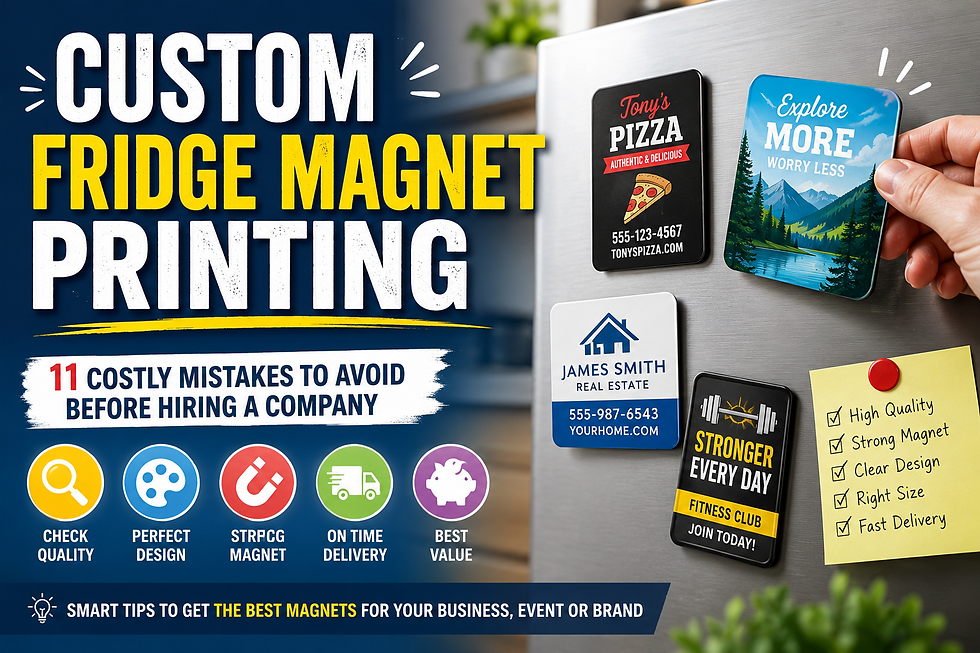
Before hiring a printing company, take time to examine how the magnets will be made, what files are required and whether the finished product will suit its intended purpose. A few careful checks at the beginning can prevent wasted money, missed deadlines and disappointing results.
This guide explains what to investigate before placing an order.
Decide What the Magnets Need to Achieve
Start by defining the job the magnets must perform.
A souvenir magnet has different requirements from a promotional calendar, takeaway menu or emergency contact card. Decorative products need strong colours and attractive finishes, while business magnets must keep telephone numbers, web addresses and calls to action easy to read.
Think about where the finished pieces will be used. Will they sit on domestic refrigerators, office cabinets, workshop equipment or retail display boards? The intended surface can affect the type of magnetic backing and material thickness you should choose.
You should also decide how long the magnet needs to remain useful. A short-term event giveaway may not require the same durability as a branded product designed to stay visible for several years.
Check Whether the Printer Produces Everything In-House
Some printing companies manufacture magnets in their own facility. Others accept the order and pass the work to a separate supplier.
Outsourcing is not automatically a problem, but it can make communication slower and quality control less predictable. If the company handles production internally, it may be easier to request samples, resolve artwork issues and receive accurate updates.
Ask who prints, cuts, laminates and packs the order. A clear answer suggests the company understands its production process. A vague response may indicate that it has limited control once your files have been submitted.
In-house production can also be useful when you have a tight deadline or need a custom shape that requires careful cutting.
Request Physical Samples Before Ordering in Bulk
Website photographs cannot reveal everything.
Lighting, editing and screen settings can make colours appear stronger than they are in real life. Images also fail to show how thick a magnet feels or how securely it grips a metal surface.
Request samples that resemble the product you plan to buy. Examine the print sharpness, surface texture, flexibility and edge quality. Place the sample on a fridge and leave it there for a few days. Check whether it curls, slips or leaves marks behind.
A dependable printer should be willing to show evidence of its work. Paying a small fee for a sample pack is usually safer than committing to hundreds or thousands of untested items.
Compare Magnetic Strength, Not Just Material Thickness
A thicker magnet is not always a stronger one.
Magnetic performance depends on the quality and composition of the backing as well as its physical depth. Two products can look almost identical while providing very different levels of grip.
Ask the printer what weight the magnet can reasonably support. A lightweight promotional piece only needs to hold itself in place. A magnet intended to secure notes, photographs or menus requires more pulling strength.
When comparing suppliers, do not rely on descriptions such as “premium” or “heavy duty” without supporting information. Request a practical explanation or sample so you can test the product yourself.
Weak backing can undermine an otherwise excellent design because customers are unlikely to keep a magnet that repeatedly falls to the floor.
Choose the Correct Size for the Design
Trying to squeeze too much information into a small space is a common mistake.
A compact magnet may cost less, but tiny text and crowded graphics can make it almost useless. Before choosing dimensions, list the content that must appear on the product. This could include a logo, telephone number, website, address, promotional message or QR code.
Prioritise the most important details and remove anything unnecessary. A magnet is not a brochure. It should communicate its message within seconds.
Print the design at its intended size on ordinary paper. Place it at arm’s length and check whether the main information remains readable. This quick test can expose layout problems before production begins.
Confirm the Exact Shape and Cutting Method
Standard squares and rectangles are generally affordable because they are straightforward to trim. Custom outlines can create a stronger visual impression, but they may require specialist cutting equipment or a dedicated die.
Ask how the printer creates shaped magnets. Digital cutting is often suitable for shorter runs and unusual designs, while die cutting may become more economical for larger quantities.
You should also ask about cutting tolerance. Slight movement can occur during production, so important text and logos should not sit too close to the edge.
A proper artwork template should include a bleed area, trim line and safe zone. These guides prevent white borders, clipped lettering and uneven spacing.
Prepare Artwork at the Required Resolution
Low-resolution artwork is one of the fastest ways to spoil a printed product.
Images copied from websites are usually created for screens rather than commercial printing. They may appear acceptable on a monitor but become pixelated when reproduced.
Most printers request artwork at 300 dots per inch at the final production size. Logos are often best supplied as vector files because they can be enlarged without losing sharpness.
Before sending anything, ask which formats the company accepts. Common options include PDF, AI, EPS and high-resolution PNG files.
Do not stretch a small image to fill a larger template. Enlarging it does not restore missing detail. It simply magnifies the flaws.
Understand How Printed Colours May Change
Screens produce colour using red, green and blue light. Commercial printers usually work with cyan, magenta, yellow and black inks.
Because these systems behave differently, some bright screen colours cannot be reproduced exactly in print. Neon shades, deep blues and intense greens may shift more noticeably.
Ask whether the printer converts artwork into the correct colour mode and whether it offers a digital or physical proof. A proof allows you to identify major colour problems before the full run begins.
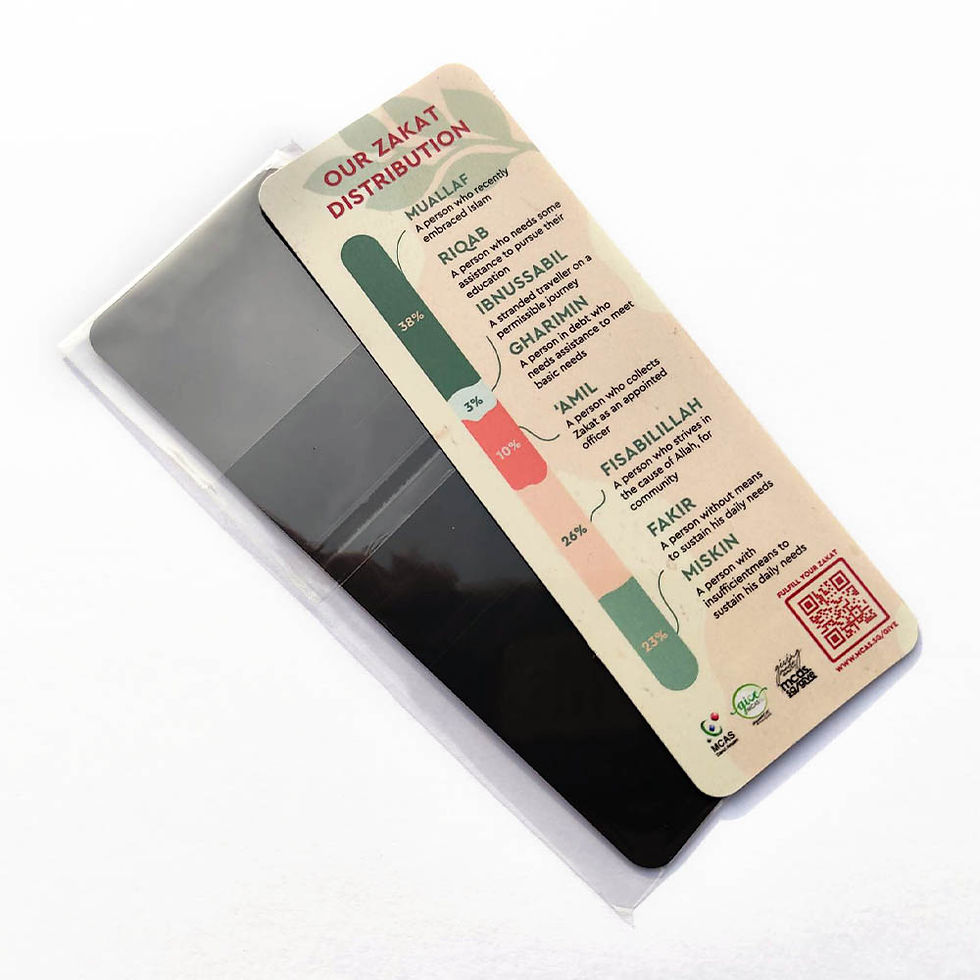
Businesses with strict branding guidelines should provide official colour references. Even then, slight variations can occur depending on the material, coating and printing equipment.
A trustworthy supplier will explain these limitations rather than guaranteeing a perfect screen-to-print match.
Inspect the Surface Finish Options
The finish affects both appearance and durability.
A glossy coating can intensify photographs and bold colours, although it may reflect light and reveal fingerprints. A matte surface feels softer and can make text easier to read under bright lighting. Some companies also offer dry-wipe coatings, textured finishes or protective laminates.
Consider how people will handle the magnets. Products distributed in restaurants, schools or busy workplaces may need extra protection against moisture and repeated cleaning.
Ask whether the surface can be wiped without smudging the ink. This is especially important for calendars, food-related advertising and products expected to remain on display for a long period.
Do not assume lamination is included in the quoted price. Confirm every finish before approving the order.
Make Sure Small Text Will Remain Legible
Fine lettering can fill with ink or lose definition during printing.
Ask the supplier for its recommended minimum font size. The answer may vary depending on the typeface, printing method and background colour.
Thin fonts often disappear more easily than heavier ones. Light text placed over a detailed photograph can also become difficult to read. Strong contrast usually produces cleaner results.
When ordering a custom fridge magnet for business promotion, make the contact information one of the clearest elements in the layout. There is little value in distributing an attractive product if potential customers cannot read the telephone number or web address.
Proofread every character carefully. Telephone numbers, prices, dates and domain names deserve particular attention because a single error can make the entire batch unusable.
Test QR Codes Before Production
QR codes can connect a printed magnet to a booking page, menu, discount offer or online shop. However, they must be large enough and surrounded by sufficient blank space.
Do not place a code over a busy image. Avoid squeezing text, logos or borders tightly around it. These choices can interfere with scanning.
Print the design at actual size and test the code using several phones. Scan it from different angles and under varied lighting conditions.
The destination page should also be suitable for mobile visitors. Sending customers to a slow or poorly formatted webpage weakens the value of the code.
Use a stable link that is unlikely to change soon. Reprinting an entire order because the destination address stopped working can be expensive.
Study the Company’s Proofing Process
A proof is your final opportunity to catch mistakes.
Find out whether the printer provides an automated preview, a manually checked digital proof or a physical sample. Automated systems are fast, but they may not detect spelling errors, low-resolution images or weak contrast.
Read the approval terms carefully. Once you confirm the proof, responsibility for overlooked errors may pass to you.
Check the dimensions, orientation, bleed, spelling, alignment and contact details. View the file on a computer rather than relying only on a phone screen.
Save a copy of the approved proof. It provides a useful reference if the delivered items differ from what was authorised.
Compare Quotes on an Equal Basis
The cheapest headline price may exclude essential services.
One supplier might include artwork checking, lamination and delivery, while another adds those costs later. Request a complete written quotation showing the quantity, size, shape, material, finish, packaging, tax and shipping charges.
Also check whether the price includes a setup fee or cutting charge. Custom-shaped orders can carry additional tooling costs that are easy to miss.
Compare the price per item at several quantities. Ordering slightly more may reduce the unit cost, but avoid buying excessive stock merely to reach a discount tier.
Magnets featuring dates, prices or temporary promotions can become outdated. A smaller order may offer better value if the information is likely to change.
Confirm the Production and Delivery Schedule
Do not confuse production time with total delivery time.
A company may advertise a five-day turnaround, but that period might begin only after artwork approval. Shipping can add several more days, particularly during busy seasons.
Tell the printer the date when the magnets must arrive, not simply when you hope production will finish. Build in extra time for artwork corrections, courier delays and damaged parcels.
Ask whether the deadline is guaranteed and what happens if it is missed. Rush services may be available, although they often cost more and leave less room for correcting mistakes.
For event materials, aim to receive the order well before the distribution date. Last-minute printing creates unnecessary risk.
Research Reviews Beyond the Company Website
Testimonials published by the supplier are useful, but independent reviews can reveal a broader pattern.
Look for comments about print quality, communication, packaging and delivery reliability. Pay attention to how the company responds when something goes wrong. Even good printers occasionally make mistakes; the way they solve them matters.
Recent reviews are usually more relevant than feedback written several years ago because equipment, staff and production standards can change.
Be cautious when every review sounds generic or uses nearly identical wording. Detailed comments that mention specific products tend to offer more practical insight.
Photographs uploaded by customers can also expose differences between polished marketing images and real delivered items.
Ask What Happens When Products Arrive Damaged
Magnets can crease, bend or scratch during transport if they are packed poorly.
Ask how the order will be protected. Larger magnets may need rigid backing, while glossy surfaces may require separation sheets to prevent rubbing.
Check the company’s policy for damaged, missing or misprinted products. Find out how quickly problems must be reported and what evidence is required.
Inspect the delivery soon after it arrives. Do not leave unopened boxes in storage until the day before an event. Reporting a fault immediately gives the supplier more time to arrange a replacement.
A clear resolution policy can be just as important as the original price.
Investigate Environmental Options Carefully
Some printing companies advertise recyclable, PVC-free or responsibly sourced materials. These claims can be valuable, but they should be specific.
Ask what the magnet contains, how it should be disposed of and whether the packaging can be recycled locally. A vague “eco-friendly” label does not explain the full environmental impact.
You may also reduce waste by ordering a realistic quantity and avoiding designs that become outdated quickly. Evergreen branding, contact details and reusable information can extend the useful life of each item.
Durability matters too. A product that remains in use for several years may create less waste than a fragile alternative that is discarded after a few weeks.
Protect Your Brand and Artwork
Before sharing original illustrations, product photography or confidential campaign designs, read the printer’s privacy and artwork policies.
Check whether uploaded files are stored securely and whether the company claims any right to reuse finished designs in promotional material. Some printers display customer work in galleries unless the buyer opts out.
Businesses launching unreleased products may require a confidentiality agreement. Raise this issue before sending sensitive files.
You should also make sure you own or have permission to use every image, font and logo in the design. A printing company may reject artwork that appears to infringe copyright or trademarks.
Place a Small Trial Order When Possible
A trial run can expose problems that are difficult to predict from a proof.
Order a modest quantity and test the products in real conditions. Hand them to colleagues, customers or friends and ask for direct feedback. Can they read the message quickly? Does the magnet stay in place? Does the finish feel professional?
Use the results to refine the artwork before committing to a larger batch.
Although a small order may cost more per unit, it can protect you from a far greater loss. Reprinting thousands of items because of weak backing or unreadable text is considerably more expensive. To book quality fridge magnet printing follow the link provided.
Final Checks Before You Approve the Order
Before making payment, review the complete specification one last time.
Confirm the size, quantity, shape, material thickness, magnetic strength, finish, packaging and delivery address. Recheck every line of text in the artwork and test any web links or QR codes.
Make sure the quotation includes all charges and that the promised arrival date suits your schedule. Keep written records of approvals, invoices and discussions.
The best printing company is not necessarily the cheapest or the fastest. It is the one that communicates clearly, provides suitable materials and delivers a product that performs as expected.
Careful preparation turns a basic promotional item into something useful, memorable and worth keeping. Rushing the process can leave you with boxes of magnets that never achieve their purpose.


Comments